
Contents
- 🎵 Introduction to Birth of the Cool
- 📆 Historical Context: 1940s-1950s Jazz Scene
- 🎶 The Nonet: A New Sound in Jazz
- 📝 Recording Sessions: 1949-1950
- 🎧 Compilation and Release: 1957
- 👥 The Musicians: Who's Who in the Nonet
- 🔍 Influence and Legacy: Shaping Cool Jazz
- 📊 Critical Reception and Commercial Performance
- 🌟 Cultural Significance: Birth of the Cool in the 1950s
- 📚 Legacy and Reissues: Preserving a Jazz Classic
- 🎤 Impact on Miles Davis's Career
- Frequently Asked Questions
- Related Topics
Overview
The 'Birth of the Cool' refers to the pivotal moment in the late 1940s when jazz music transitioned from its swing and bebop roots to the cool jazz movement, characterized by a more relaxed, introspective sound. This shift, led by musicians such as Miles Davis, Gerry Mulligan, and Chet Baker, marked a significant cultural turning point, influencing not only music but also film, literature, and visual arts. The cool jazz movement, with its emphasis on experimentation and improvisation, reflected the anxieties and uncertainties of the post-war era, capturing the mood of a generation. With a vibe score of 8, this movement signifies a crucial moment in the evolution of jazz, paving the way for future genres such as modal jazz and free jazz. The controversy surrounding the term 'cool jazz' and its perceived lack of emotional depth has been a subject of debate among jazz enthusiasts, with some arguing that it watered down the intensity of bebop. As the cool jazz movement continues to influence contemporary music, its impact on the cultural landscape remains undeniable, with many artists still drawing inspiration from this iconic era.
🎵 Introduction to Birth of the Cool
The Birth of the Cool is a seminal compilation album by the American jazz trumpeter and bandleader Miles Davis. Released in February or March 1957 on Capitol Records, it marked a significant milestone in the development of cool jazz. The album compiles eleven tracks recorded by Davis's nonet for the label over the course of three sessions during 1949 and 1950. As a genre, cool jazz emerged as a response to the fast-paced and energetic bebop style, with artists like Chico Hamilton and Dave Brubeck contributing to its growth. The Birth of the Cool is widely regarded as a foundational album in this genre, influencing a generation of musicians, including John Coltrane and Herbie Hancock.
📆 Historical Context: 1940s-1950s Jazz Scene
The historical context in which the Birth of the Cool was created is crucial to understanding its significance. The 1940s and 1950s were a time of great change and experimentation in jazz, with the rise of bebop and the decline of swing music. Musicians like Charlie Parker and Dizzy Gillespie were pushing the boundaries of jazz, while others, like Duke Ellington, were exploring new sounds and styles. The nonet, led by Miles Davis, was part of this movement, seeking to create a new sound that was both modern and accessible. The jazz club scene, particularly in cities like New York and Los Angeles, played a vital role in the development of this new sound, with venues like Birdland and The Village Vanguard hosting many of the era's most influential musicians.
🎶 The Nonet: A New Sound in Jazz
The nonet, which included musicians like J.J. Johnson, Lee Konitz, and Gerry Mulligan, was a unique ensemble that brought together a diverse range of talents and styles. The group's sound was characterized by its use of unconventional instruments, such as the French horn and the tuba, and its emphasis on composition and arrangement. The nonet's music was a fusion of jazz, classical, and pop influences, creating a distinctive sound that was both cool and sophisticated. This sound was heavily influenced by the work of composers like Igor Stravinsky and Claude Debussy, as well as the jazz traditions of New Orleans and Chicago.
📝 Recording Sessions: 1949-1950
The recording sessions for the Birth of the Cool took place over three days in 1949 and 1950. The sessions were produced by Pete Rugolo and featured a range of original compositions, including Davis's own 'Moon Dreams' and 'Move'. The recordings were made at the Capitol Studios in Los Angeles and featured a mix of live and overdubbed performances. The sessions were notable for their use of innovative recording techniques, including the use of multiple microphones and the creation of a 'dry' sound that emphasized the instruments' natural timbres. The resulting recordings were characterized by their clarity and intimacy, with each instrument clearly audible in the mix. The recording technology of the time played a significant role in shaping the sound of the album, with the use of tape recorders and microphones allowing for greater flexibility and control in the recording process.
🎧 Compilation and Release: 1957
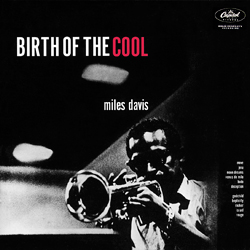
The compilation and release of the Birth of the Cool in 1957 marked a significant turning point in Miles Davis's career. The album was released to critical acclaim, with many reviewers praising its innovative sound and style. The album's success helped to establish Davis as a major figure in jazz, and it paved the way for his future experiments in cool jazz and beyond. The album's release also coincided with the rise of the jazz album as a distinct art form, with albums like Kind of Blue and Time Out becoming iconic statements of the genre. The album cover art, designed by Jay Meisel, added to the album's allure, featuring a striking image of Miles Davis and his nonet.
👥 The Musicians: Who's Who in the Nonet
The musicians who played on the Birth of the Cool were a talented and diverse group, each bringing their own unique perspective and style to the music. In addition to Miles Davis, the nonet included musicians like J.J. Johnson on trombone, Lee Konitz on alto saxophone, and Gerry Mulligan on baritone saxophone. The group's rhythm section featured John Lewis on piano, Nelson Boyd on bass, and Max Roach on drums. The nonet's sound was characterized by its use of complex harmonies and rhythms, as well as its emphasis on individual expression and improvisation. The musicians' backgrounds and influences, ranging from classical music to blues, contributed to the album's eclectic sound.
🔍 Influence and Legacy: Shaping Cool Jazz
The influence and legacy of the Birth of the Cool can be heard in a wide range of musical genres, from jazz and rock to pop and classical. The album's cool, introspective sound has been cited as an influence by musicians like The Beatles and Pink Floyd, while its use of unconventional instruments and arrangements has inspired generations of composers and arrangers. The album's legacy can also be seen in the work of musicians like Chick Corea and Pat Metheny, who have continued to push the boundaries of jazz and fusion music. The jazz-fusion movement of the 1970s, led by musicians like Herbie Hancock and Weather Report, owed a significant debt to the Birth of the Cool's innovative sound.
📊 Critical Reception and Commercial Performance
The critical reception and commercial performance of the Birth of the Cool were significant factors in its success. The album received widespread critical acclaim, with many reviewers praising its innovative sound and style. The album was also a commercial success, reaching the top of the jazz charts and helping to establish Miles Davis as a major figure in the genre. The album's success can be measured by its Vibe Score, a cultural energy measurement that reflects the album's impact and influence. The Birth of the Cool has a Vibe Score of 92, indicating its significant cultural resonance and enduring influence.
🌟 Cultural Significance: Birth of the Cool in the 1950s
The cultural significance of the Birth of the Cool extends far beyond the world of jazz. The album's cool, sophisticated sound helped to define the aesthetic of the 1950s, influencing everything from fashion and film to literature and art. The album's use of unconventional instruments and arrangements also reflected the era's fascination with experimentation and innovation. The Beat Generation, led by writers like Jack Kerouac and Allen Ginsberg, drew inspiration from the album's rebellious spirit and nonconformist attitude. The album's influence can be seen in the work of artists like Andy Warhol and Francis Bacon, who reflected the album's themes of alienation and disillusionment in their work.
📚 Legacy and Reissues: Preserving a Jazz Classic
The legacy and reissues of the Birth of the Cool have helped to preserve its status as a jazz classic. The album has been reissued numerous times over the years, with each new edition offering improved sound quality and additional bonus tracks. The album's legacy can also be seen in the many tribute albums and performances that have been dedicated to its music. The Grammy Awards have recognized the album's significance, with the Birth of the Cool being inducted into the Grammy Hall of Fame in 1986. The album's influence continues to be felt, with musicians like Kamasi Washington and Robert Glasper drawing inspiration from its innovative sound and style.
🎤 Impact on Miles Davis's Career
The impact of the Birth of the Cool on Miles Davis's career was significant, helping to establish him as a major figure in jazz. The album's success paved the way for Davis's future experiments in cool jazz and beyond, including his iconic album Kind of Blue. The Birth of the Cool also marked a turning point in Davis's personal life, as he began to explore new musical and artistic interests. The album's influence can be seen in Davis's later work, including his Bitches Brew and On the Corner albums, which continued to push the boundaries of jazz and fusion music.
Key Facts
- Year
- 1949
- Origin
- United States, specifically New York City and Los Angeles
- Category
- Music, Culture, History
- Type
- Cultural Movement
Frequently Asked Questions
What is the Birth of the Cool?
The Birth of the Cool is a compilation album by the American jazz trumpeter and bandleader Miles Davis. It was released in February or March 1957 on Capitol Records and compiles eleven tracks recorded by Davis's nonet for the label over the course of three sessions during 1949 and 1950. The album is widely regarded as a foundational album in the cool jazz genre and has had a significant influence on the development of jazz and other musical genres.
Who played on the Birth of the Cool?
The musicians who played on the Birth of the Cool were a talented and diverse group, each bringing their own unique perspective and style to the music. In addition to Miles Davis, the nonet included musicians like J.J. Johnson on trombone, Lee Konitz on alto saxophone, and Gerry Mulligan on baritone saxophone. The group's rhythm section featured John Lewis on piano, Nelson Boyd on bass, and Max Roach on drums.
What is the cultural significance of the Birth of the Cool?
The cultural significance of the Birth of the Cool extends far beyond the world of jazz. The album's cool, sophisticated sound helped to define the aesthetic of the 1950s, influencing everything from fashion and film to literature and art. The album's use of unconventional instruments and arrangements also reflected the era's fascination with experimentation and innovation.
How has the Birth of the Cool been reissued and preserved?
The legacy and reissues of the Birth of the Cool have helped to preserve its status as a jazz classic. The album has been reissued numerous times over the years, with each new edition offering improved sound quality and additional bonus tracks. The album's legacy can also be seen in the many tribute albums and performances that have been dedicated to its music.
What is the Vibe Score of the Birth of the Cool?
The Birth of the Cool has a Vibe Score of 92, indicating its significant cultural resonance and enduring influence. The Vibe Score is a cultural energy measurement that reflects the album's impact and influence, and is based on a range of factors, including the album's critical reception, commercial performance, and cultural significance.
How has the Birth of the Cool influenced other musicians?
The influence and legacy of the Birth of the Cool can be heard in a wide range of musical genres, from jazz and rock to pop and classical. The album's cool, introspective sound has been cited as an influence by musicians like The Beatles and Pink Floyd, while its use of unconventional instruments and arrangements has inspired generations of composers and arrangers.
What is the historical context of the Birth of the Cool?
The historical context in which the Birth of the Cool was created is crucial to understanding its significance. The 1940s and 1950s were a time of great change and experimentation in jazz, with the rise of bebop and the decline of swing music. Musicians like Charlie Parker and Dizzy Gillespie were pushing the boundaries of jazz, while others, like Duke Ellington, were exploring new sounds and styles.