
Contents
- 👨🍳 The Genesis of the Chef: From Kitchen Hierarchy to Culinary Artistry
- 🔥 The Modern Chef's Toolkit: Beyond Knives and Pans
- 📈 The Business of the Plate: Chefs as Entrepreneurs
- 🌍 Global Palates: The Rise of Specialized Cuisines
- 🔬 The Science of Flavor: Chefs as Food Innovators
- 🏆 The Michelin Star Chase: Prestige and Pressure
- 🌱 Sustainability on the Menu: Ethical Sourcing and Waste Reduction
- 🧑💻 Digital Chefs: The Online Influence and Virtual Kitchens
- Frequently Asked Questions
- Related Topics
Overview
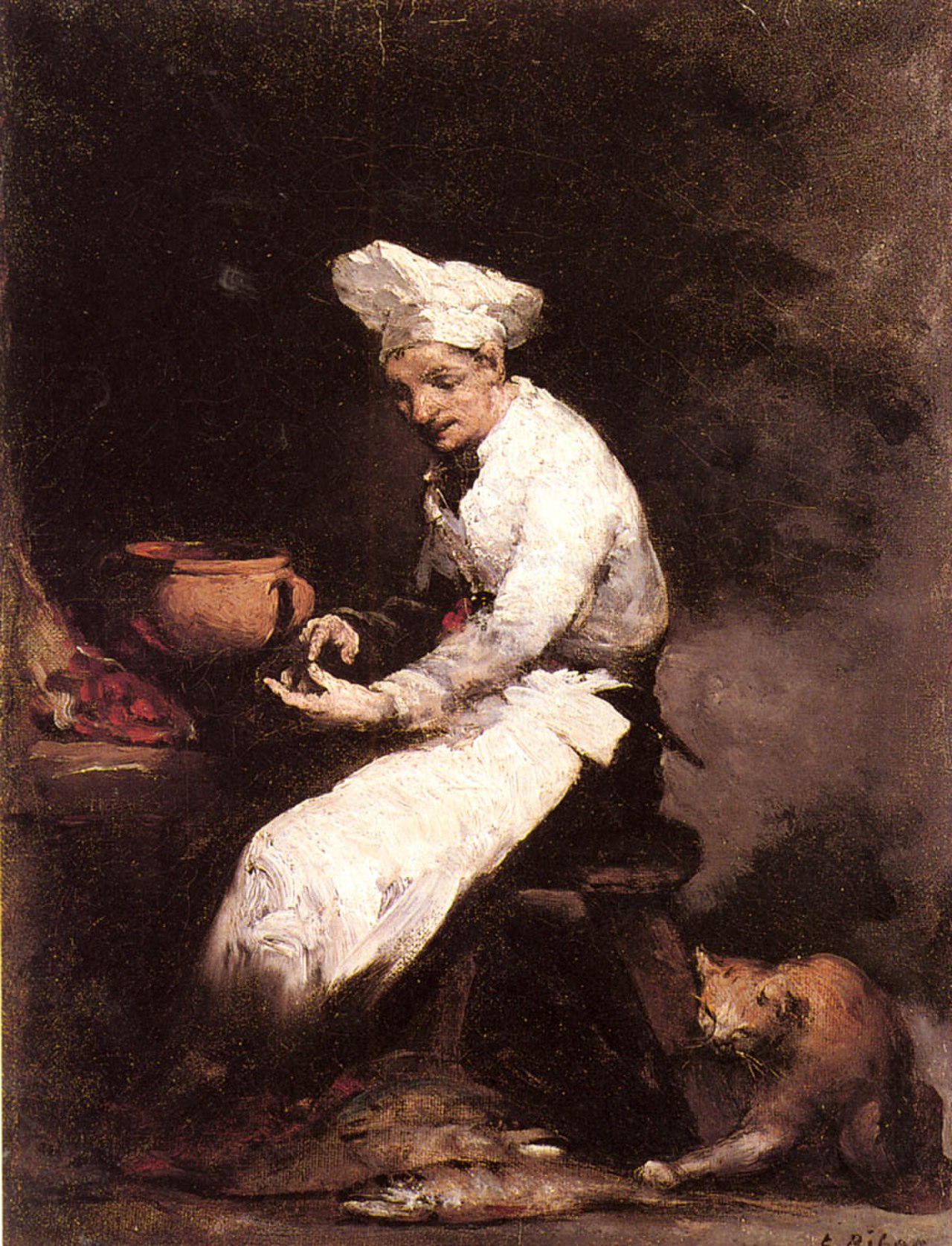
The term 'chef' itself, a shortened form of the French 'chef de cuisine' (head of the kitchen), points to a historical lineage rooted in strict kitchen hierarchy. For centuries, the culinary world operated under a brigade system, famously codified by Auguste Escoffier in the early 20th century. This structure defined roles from the executive chef down to the commis chef, emphasizing discipline and specialization. Early chefs were masters of classical techniques, responsible for executing menus dictated by tradition and the demands of aristocratic or wealthy patrons. The evolution from a mere 'cook' to a 'chef' signifies a leap in responsibility, creativity, and often, a formal understanding of gastronomy, moving beyond mere sustenance to the creation of memorable dining experiences.
🔥 The Modern Chef's Toolkit: Beyond Knives and Pans
Today's chef operates with a far more sophisticated arsenal than their predecessors. While mastery of fundamental techniques like saucemaking and pastry remains crucial, the modern chef also navigates advanced kitchen technology, from sous-vide immersion circulators and combi ovens to sophisticated plating tools. Understanding food science, flavor profiles, and ingredient interactions is paramount. Many chefs now possess a working knowledge of food photography and social media to promote their establishments, blurring the lines between culinary artist and brand manager. The pressure to innovate means constantly exploring new ingredients, cooking methods, and presentation styles, pushing the boundaries of what's possible on the plate.
📈 The Business of the Plate: Chefs as Entrepreneurs
The romantic image of the chef often overshadows the stark reality of running a restaurant business. Many high-profile chefs are not just culinary experts but shrewd entrepreneurs. They manage significant financial investments, oversee staff, negotiate with suppliers, and develop marketing strategies. Figures like Gordon Ramsay have built empires extending far beyond single kitchens, encompassing television shows, cookbooks, and multiple restaurant brands. The success of a chef today is frequently measured not only by the quality of their food but also by the profitability and brand recognition of their ventures, making business acumen as vital as culinary skill.
🌍 Global Palates: The Rise of Specialized Cuisines
The globalized world has profoundly impacted the culinary landscape, leading to a surge in chefs specializing in specific international cuisines. While classical French training often formed the bedrock, chefs now dedicate careers to mastering the nuances of Japanese cuisine, Peruvian gastronomy, or Ethiopian food. This specialization requires deep dives into regional ingredients, traditional techniques, and cultural contexts. Chefs like Yannick Alléno, known for his innovative approach to French cuisine with Asian influences, exemplify this cross-cultural culinary exploration. The ability to authentically represent a cuisine, or to fuse elements creatively, is a hallmark of the contemporary chef.
🔬 The Science of Flavor: Chefs as Food Innovators
Beyond taste and texture, modern chefs are increasingly engaging with the scientific underpinnings of cooking. Concepts like molecular gastronomy, popularized by chefs such as Ferran Adrià at elBulli, have introduced techniques like spherification and foams, transforming ingredient properties. Chefs now understand the chemistry of Maillard reactions, the physics of emulsions, and the microbiology of fermentation. This scientific literacy allows for greater control over cooking processes, enabling chefs to achieve novel textures and intensify flavors in ways previously unimaginable. It's a constant interplay between art and food science, where understanding 'why' unlocks new 'hows'.
🏆 The Michelin Star Chase: Prestige and Pressure
The pursuit of Michelin stars remains a powerful driving force for many chefs and restaurants, representing the pinnacle of culinary recognition. Earning these coveted accolades, however, comes with immense pressure to maintain impeccable standards consistently. The intense scrutiny from inspectors, the need for flawless execution every service, and the constant competition can lead to burnout and immense stress. While a Michelin star can elevate a chef's career and a restaurant's profile exponentially, the journey is often fraught with sleepless nights and a relentless dedication that borders on obsession, creating a high-stakes environment where perfection is the only acceptable outcome.
🧑💻 Digital Chefs: The Online Influence and Virtual Kitchens
The digital age has created new avenues for chefs to connect with audiences and build their brands. Social media platforms like Instagram and TikTok allow chefs to share their creations, techniques, and daily lives directly with millions. Online cooking classes, virtual dining experiences, and recipe development for digital platforms have become significant revenue streams and marketing tools. Chefs like Claire Saffitz, who gained fame through her YouTube series 'Gourmet Makes', demonstrate the power of digital content creation. This trend democratizes culinary knowledge while also presenting challenges in maintaining authenticity and managing online reputation in a crowded digital space.
Key Facts
- Year
- 2023
- Origin
- Culinary Arts
- Category
- Professional Services
- Type
- Profession
Frequently Asked Questions
What's the difference between a cook and a chef?
While both prepare food, a 'chef' typically implies a higher level of training, responsibility, and creativity. The term 'chef' originates from 'chef de cuisine,' meaning head of the kitchen, suggesting leadership and a broader scope of duties beyond just cooking. Chefs often manage staff, design menus, and have a deeper understanding of culinary theory and business operations, whereas a cook might focus on executing specific tasks within a kitchen.
How does one become a professional chef?
Becoming a professional chef usually involves a combination of formal culinary education and practical experience. Many attend culinary schools to learn foundational techniques and theory, followed by apprenticeships or entry-level positions in professional kitchens. Working your way up through different stations, like garde manger or pastry, builds a comprehensive skill set. Continuous learning, experimentation, and networking within the hospitality industry are also crucial for career advancement.
What are the key responsibilities of an executive chef?
An executive chef is the top culinary leader in an establishment. Their responsibilities are broad, encompassing menu development and costing, managing kitchen staff (hiring, training, scheduling), ensuring food quality and consistency, maintaining inventory and controlling food costs, upholding sanitation and safety standards, and often acting as the public face of the kitchen. They bridge the gap between the creative culinary vision and the operational realities of the business.
How important is creativity for a chef?
Creativity is fundamental to a chef's success, especially in competitive markets. It drives menu innovation, allows for unique flavor combinations, and influences presentation. While classical technique provides a solid foundation, creativity allows chefs to develop their signature style, adapt to changing diner preferences, and stand out. It's about more than just making food; it's about crafting experiences and telling stories through dishes.
What is the role of a chef in food sustainability?
Chefs play a significant role in promoting food sustainability by making conscious sourcing decisions, prioritizing local and seasonal ingredients, and minimizing waste. They can implement nose-to-tail or root-to-stem cooking philosophies, utilize composting, and educate both their staff and customers about sustainable practices. By influencing supply chains and consumer demand, chefs can drive positive environmental change within the food industry.
Are chefs considered professionals in the same way as doctors or lawyers?
Yes, chefs are highly skilled professionals within the hospitality industry. While the training paths differ, the dedication, expertise, and responsibility involved in running a professional kitchen, managing complex operations, and ensuring customer satisfaction align with professional standards. The term 'chef' itself denotes a level of mastery and leadership comparable to other professions.