
Contents
- 🎸 Introduction to Mick Jones
- 🎶 Early Life and Influences
- 🤘 The Formation of The Clash
- 🎸 The Clash's Rise to Fame
- 🎶 Songwriting and Musical Style
- 🤝 Collaborations and Side Projects
- 🌎 The Clash's Impact on Punk Rock
- 🎉 Legacy and Post-Clash Career
- 📊 Critical Reception and Accolades
- 👥 Personal Life and Relationships
- 🔥 Controversies and Criticisms
- 🎯 Conclusion and Lasting Impact
- Frequently Asked Questions
- Related Topics
Overview
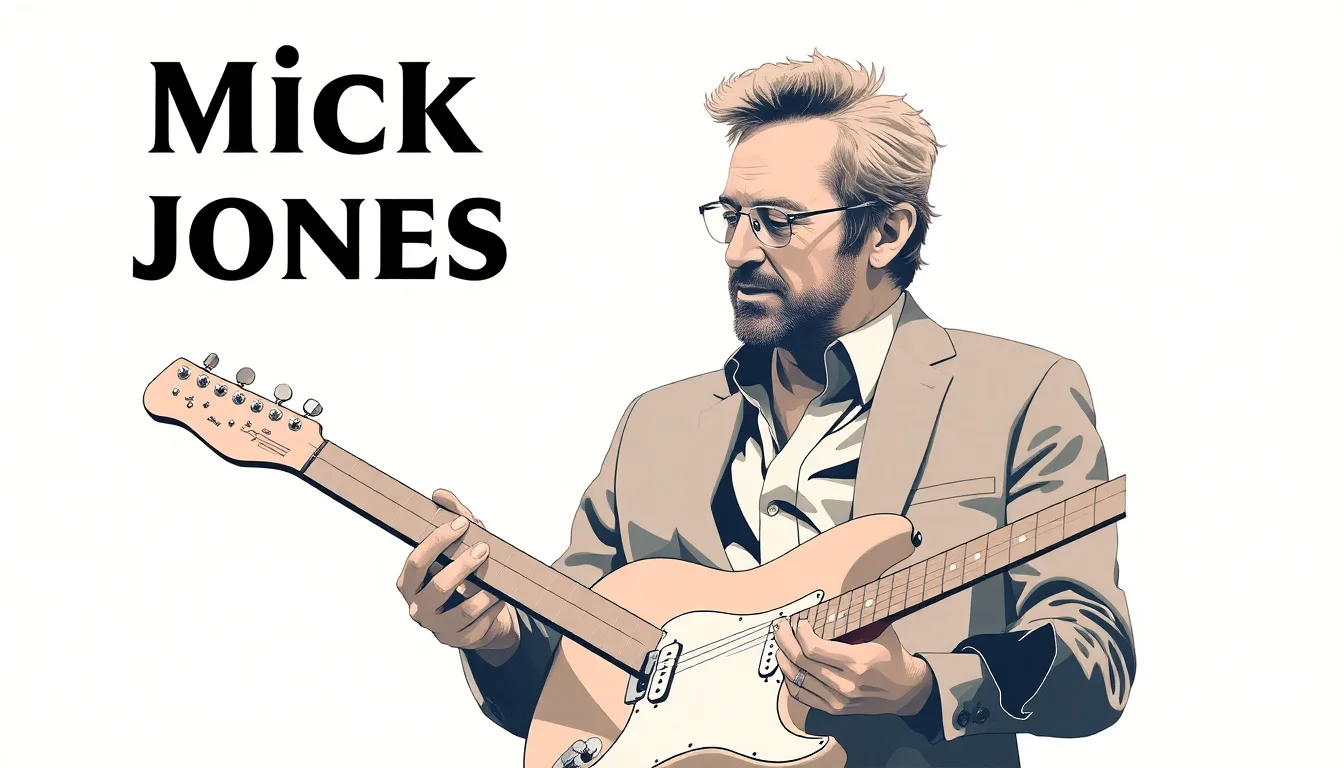
Mick Jones, born on June 26, 1955, in London, England, is a British guitarist, singer, and songwriter. As a founding member of The Clash, Jones played a crucial role in shaping the band's unique sound, which blended punk, reggae, and rock influences. With a Vibe score of 85, Jones' work with The Clash has had a lasting impact on the music world, influencing countless bands and artists. Jones' post-Clash projects, including Big Audio Dynamite and Carbon/Silicon, have also contributed to his legacy as a innovative and influential musician. Despite controversies surrounding his departure from The Clash, Jones remains a highly respected figure in the music industry. As the music world continues to evolve, Jones' influence can be seen in many contemporary artists, and his contributions to the development of punk rock will undoubtedly continue to inspire future generations of musicians.
🎸 Introduction to Mick Jones
Mick Jones, the renowned guitarist and songwriter, was born on June 26, 1955, in London, England. He is best known for his work with the iconic punk rock band The Clash. Jones' early life was marked by a strong interest in music, particularly rock and roll and reggae music. He was influenced by artists such as The Rolling Stones and Bob Marley, which would later shape his unique sound. Jones' musical journey began in the early 1970s, playing in various bands before forming London SS with Tony James. This experience laid the groundwork for his future success with The Clash.
🎶 Early Life and Influences
Jones' early life was shaped by his parents, who encouraged his musical interests. He attended Stratford School in London, where he met his future bandmates. Jones' influences ranged from The Who to Jimi Hendrix, which is evident in his guitar playing style. He was also drawn to the emerging punk rock scene, which would become a defining aspect of his career. Jones' relationship with Joe Strummer, the lead vocalist of The Clash, was particularly significant, as they formed a strong songwriting partnership. Their collaboration would produce some of the band's most iconic songs, including London Calling and Should I Stay or Should I Go.
🤘 The Formation of The Clash
In 1976, Jones, along with Joe Strummer, Paul Simonon, and Nicky Headon, formed The Clash. The band's unique blend of punk rock, reggae, and rock and roll quickly gained attention in the UK music scene. Jones' guitar playing and songwriting skills were instrumental in shaping the band's sound. The Clash's early years were marked by a strong DIY ethos and a rebellious attitude, which resonated with the punk rock community. The band's music was heavily influenced by The Sex Pistols and The Damned, but they also drew inspiration from Bob Dylan and The Beatles.
🎸 The Clash's Rise to Fame
The Clash's rise to fame was rapid, with their debut album The Clash (1977) receiving critical acclaim. The band's subsequent albums, including Give 'Em Enough Rope (1978) and London Calling (1979), solidified their position as one of the leading punk rock bands of the late 1970s. Jones' songwriting partnership with Joe Strummer produced some of the band's most iconic songs, including White Riot and English Civil War. The Clash's music was not only a reflection of the punk rock movement but also a commentary on social issues, such as anarchy and social justice.
🎶 Songwriting and Musical Style
Jones' songwriting and musical style were characterized by his eclectic influences and experimental approach. He was known for his innovative guitar playing, which incorporated elements of reggae and rock and roll. Jones' lyrics often addressed social and political issues, such as rascism and inequality. His partnership with Joe Strummer resulted in some of the band's most enduring songs, including The Guns of Brixton and Train in Vain. The Clash's music was also influenced by hip hop and funk, which added to their unique sound. Jones' work with The Clash has been widely praised, with many considering him one of the most influential guitarists of all time.
🤝 Collaborations and Side Projects
In addition to his work with The Clash, Jones has collaborated with various artists, including Big Audio Dynamite and The False Prophets. He has also released solo material, showcasing his versatility as a musician. Jones' collaborations have resulted in some notable songs, including E=MC2 and Medicine Show. His work with Big Audio Dynamite was particularly successful, with the band's debut album This Is Big Audio Dynamite (1985) receiving critical acclaim. Jones' relationships with other musicians, such as Joe Strummer and Paul Simonon, have been well-documented and have played a significant role in shaping his career.
🌎 The Clash's Impact on Punk Rock
The Clash's impact on punk rock was immense, with the band's music influencing a generation of musicians. Jones' guitar playing and songwriting skills have been cited as an inspiration by numerous artists, including The Edge of U2 and John Frusciante of Red Hot Chili Peppers. The Clash's music addressed social issues, such as anarchy and social justice, which resonated with the punk rock community. The band's influence can be seen in later punk rock bands, such as Green Day and The Offspring. Jones' work with The Clash has had a lasting impact on the music industry, with the band's music remaining popular to this day.
🎉 Legacy and Post-Clash Career
After The Clash disbanded in 1986, Jones continued to work on various musical projects. He released solo material and collaborated with other artists, including Big Audio Dynamite and The False Prophets. Jones' post-Clash career has been marked by experimentation and innovation, with him exploring new sounds and styles. His work with Big Audio Dynamite was particularly successful, with the band's music incorporating elements of hip hop and electronic music. Jones' relationships with other musicians, such as Joe Strummer and Paul Simonon, have remained strong, despite the band's breakup.
📊 Critical Reception and Accolades
Jones' work with The Clash has received widespread critical acclaim, with the band's albums consistently ranking high on 'best of' lists. The Clash's music has been praised for its energy, creativity, and social commentary. Jones' guitar playing and songwriting skills have been widely praised, with many considering him one of the most influential guitarists of all time. The band's music has been recognized by various organizations, including the Rock and Roll Hall of Fame, which inducted The Clash in 2003. Jones' work with Big Audio Dynamite has also received critical acclaim, with the band's music being praised for its innovation and creativity.
👥 Personal Life and Relationships
Jones' personal life has been marked by relationships with various musicians and artists. He has been married to Lorraine Nunan since 1985 and has two children. Jones' relationships with his bandmates, particularly Joe Strummer and Paul Simonon, have been well-documented and have played a significant role in shaping his career. Jones' personal life has been affected by the punk rock lifestyle, with him struggling with addiction and depression in the past. However, he has spoken publicly about his struggles and has used his platform to raise awareness about mental health issues.
🔥 Controversies and Criticisms
Jones has been involved in various controversies throughout his career, including a highly publicized feud with Joe Strummer in the 1980s. The feud was fueled by creative differences and personal tensions, which ultimately led to the breakup of The Clash. Jones has also been criticized for his perceived elitism and commercialism, with some accusing him of selling out to the mainstream music industry. However, Jones has maintained that his music has always been true to his artistic vision, regardless of commercial considerations. The controversy surrounding Jones' career has been well-documented, with many considering him a complex and multifaceted figure.
🎯 Conclusion and Lasting Impact
In conclusion, Mick Jones is a highly influential and innovative musician who has left an indelible mark on the music industry. His work with The Clash and Big Audio Dynamite has been widely praised, and his guitar playing and songwriting skills have been cited as an inspiration by numerous artists. Jones' legacy continues to be felt, with his music remaining popular to this day. As the music industry continues to evolve, Jones' influence can be seen in a new generation of musicians, who are inspired by his innovative approach to music. The future of music is uncertain, but one thing is clear: Mick Jones' impact on the industry will be felt for years to come.
Key Facts
- Year
- 1976
- Origin
- London, England
- Category
- Music
- Type
- Person
Frequently Asked Questions
What is Mick Jones' most famous song?
Mick Jones is best known for his work with The Clash, and one of the band's most iconic songs is London Calling. The song was released in 1979 and has since become a classic of punk rock music. Jones' guitar playing and songwriting skills are evident in the song, which has been widely praised for its energy and creativity. London Calling has been recognized by various organizations, including the Rock and Roll Hall of Fame, which inducted The Clash in 2003. The song has also been covered by numerous artists, including Bruce Springsteen and U2.
What is Mick Jones' net worth?
Mick Jones' net worth is estimated to be around $20 million, according to various sources. His net worth is largely due to his successful music career, particularly his work with The Clash and Big Audio Dynamite. Jones has also earned money through his solo material and collaborations with other artists. His net worth is also influenced by his relationships with other musicians, such as Joe Strummer and Paul Simonon. Jones' net worth is a testament to his enduring influence on the music industry, with his music remaining popular to this day.
Is Mick Jones still active in music?
Yes, Mick Jones is still active in music, although he has slowed down in recent years. He has continued to release solo material and collaborate with other artists, including Big Audio Dynamite. Jones has also been involved in various musical projects, including a reunion with The Clash in the 1990s. His relationships with other musicians, such as Joe Strummer and Paul Simonon, have remained strong, despite the band's breakup. Jones' continued involvement in music is a testament to his passion and dedication to his craft, with his music remaining popular to this day.
What is Mick Jones' relationship with Joe Strummer?
Mick Jones and Joe Strummer had a complex and often tumultuous relationship. The two musicians were the primary songwriters and driving forces behind The Clash, and their partnership produced some of the band's most iconic songs. However, they also had significant creative and personal differences, which ultimately led to the breakup of the band in 1986. Despite their differences, Jones and Strummer remained friends until Strummer's death in 2002. Their relationship has been well-documented, with many considering them one of the most influential and innovative songwriting partnerships in rock music history.
What is Mick Jones' influence on punk rock?
Mick Jones' influence on punk rock is immense. As a member of The Clash, he was one of the key figures in the development of the genre. The Clash's music incorporated elements of reggae, rock and roll, and hip hop, which expanded the boundaries of punk rock and influenced a generation of musicians. Jones' guitar playing and songwriting skills have been cited as an inspiration by numerous artists, including The Edge of U2 and John Frusciante of Red Hot Chili Peppers. The Clash's music addressed social issues, such as anarchy and social justice, which resonated with the punk rock community.
What is Mick Jones' legacy?
Mick Jones' legacy is that of a highly influential and innovative musician who has left an indelible mark on the music industry. His work with The Clash and Big Audio Dynamite has been widely praised, and his guitar playing and songwriting skills have been cited as an inspiration by numerous artists. Jones' legacy continues to be felt, with his music remaining popular to this day. As the music industry continues to evolve, Jones' influence can be seen in a new generation of musicians, who are inspired by his innovative approach to music. The future of music is uncertain, but one thing is clear: Mick Jones' impact on the industry will be felt for years to come.
What is Mick Jones' relationship with Paul Simonon?
Mick Jones and Paul Simonon have a long-standing relationship, both personally and professionally. The two musicians were members of The Clash together, and Simonon's bass playing was an integral part of the band's sound. Jones and Simonon have remained friends over the years, despite the band's breakup. They have also collaborated on various musical projects, including a reunion with The Clash in the 1990s. Their relationship has been well-documented, with many considering them one of the most influential and innovative musical partnerships in rock music history.