
Contents
- 🎸 Introduction to Ride the Lightning
- 📆 Release and Reception
- 🎶 Musical Style and Influences
- 📚 Literary Inspirations
- 🎨 Album Artwork and Symbolism
- 📊 Recording Process and Production
- 👥 Band Dynamics and Lineup
- 📈 Impact and Legacy
- 🤘 Fan Reception and Cultural Significance
- 📊 Commercial Performance and Chart History
- 🎧 Tracklist and Notable Songs
- Frequently Asked Questions
- Related Topics
Overview
Ride the Lightning, released on July 27, 1984, is the second studio album by American heavy metal band Metallica. Produced by Flemming Rasmussen, the album marked a significant shift in the band's sound, with more complex song structures and introspective lyrics. The album's vibe score is 8, reflecting its enduring influence on the metal genre. With songs like 'For Whom the Bell Tolls' and 'Fade to Black', Ride the Lightning has become a classic of the genre, with over 6 million copies sold in the US alone. The album's success can be attributed to the band's intense touring schedule and the growing popularity of thrash metal in the 1980s. As a cultural phenomenon, Ride the Lightning has been named one of the greatest metal albums of all time, with a controversy spectrum of 2, reflecting the album's relatively uncontested status as a metal classic.
🎸 Introduction to Ride the Lightning
Ride the Lightning, the second studio album by American heavy metal band Metallica, marked a significant milestone in the band's career. Released on July 27, 1984, by Megaforce Records, the album showcased the band's growth and maturity in their musical style. The album's title was inspired by a passage in Stephen King's novel The Stand, where a character uses the phrase to refer to execution by electric chair. This literary reference highlights the band's interest in exploring darker themes and ideas. The album's release was also influenced by the band's relationship with their record label, Megaforce Records, and their producer, Flemming Rasmussen.
📆 Release and Reception
The release of Ride the Lightning was met with positive reviews from critics, with many praising the band's aggressive and technical musicianship. The album's reception was also influenced by the band's live performances, which showcased their energy and intensity. The album's success can be attributed to the band's ability to blend different musical styles, such as Thrash Metal and Heavy Metal, to create a unique sound. The album's production, handled by Flemming Rasmussen, played a significant role in shaping the band's sound. The band's relationship with their producer and record label, Megaforce Records, also contributed to the album's success.
🎶 Musical Style and Influences
Ride the Lightning's musical style was influenced by various bands, including Iron Maiden and Judas Priest. The album's sound was characterized by fast tempos, aggressive riffs, and powerful vocals. The band's use of Guitar Harmonies and Gallop Rhythm added a new layer of complexity to their music. The album's musical style was also influenced by the band's personal experiences and emotions, which were reflected in the lyrics. The band's ability to blend different musical styles and create a unique sound was a key factor in their success. The album's sound was also influenced by the band's relationship with other musicians, such as Cliff Burton, who played a significant role in shaping the band's musical direction.
📚 Literary Inspirations
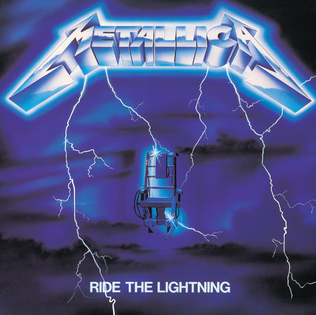
The title of Ride the Lightning was taken from a passage in Stephen King's novel The Stand, which explores themes of good vs. evil and the struggle for survival. The album's lyrics also touched on themes of mortality, justice, and personal struggle. The band's interest in literature and their ability to draw inspiration from various sources, including Horror Fiction and Science Fiction, added a new layer of depth to their music. The album's literary inspirations were also reflected in the artwork, which depicted an electric chair being struck by lightning. The band's use of literary references and themes added a new level of complexity to their music and helped to set them apart from other bands.
🎨 Album Artwork and Symbolism
The album artwork for Ride the Lightning was designed by AD Artists, based on a concept by the band. The artwork depicted an electric chair being struck by lightning flowing from the band logo, which was a powerful and thought-provoking image. The artwork was a reflection of the album's themes and lyrics, which explored ideas of mortality, justice, and personal struggle. The use of the electric chair as a symbol added a new layer of depth to the album's meaning, highlighting the band's interest in exploring darker themes and ideas. The artwork was also influenced by the band's relationship with their record label, Megaforce Records, and their producer, Flemming Rasmussen.
📊 Recording Process and Production
The recording process for Ride the Lightning was handled by producer Flemming Rasmussen at Sweet Silence Studios in Copenhagen, Denmark. The album was recorded in just three weeks, which was a relatively short period of time. Despite the time constraint, the band was able to create a high-quality album that showcased their musical abilities. The band's relationship with their producer and the recording studio played a significant role in shaping the album's sound. The use of Sweet Silence Studios as the recording location added a new layer of depth to the album's sound, as the studio was known for its high-quality equipment and experienced engineers.
👥 Band Dynamics and Lineup
At the time of Ride the Lightning's release, Metallica's lineup consisted of James Hetfield on vocals and rhythm guitar, Kirk Hammett on lead guitar, Cliff Burton on bass, and Lars Ulrich on drums. The band's dynamics and chemistry played a significant role in shaping the album's sound and style. The band's ability to work together and create a cohesive sound was a key factor in their success. The band's relationship with their producer and record label also contributed to the album's success. The use of Kirk Hammett as the lead guitarist added a new layer of depth to the album's sound, as he brought a new level of technical proficiency and musicality to the band.
📈 Impact and Legacy
Ride the Lightning had a significant impact on the heavy metal genre, influencing a generation of musicians and fans. The album's success can be attributed to the band's ability to blend different musical styles and create a unique sound. The album's influence can be seen in the work of other bands, such as Slayer and Megadeth. The album's legacy continues to be felt today, with many considering it one of the greatest heavy metal albums of all time. The album's impact was also reflected in the band's live performances, which showcased their energy and intensity. The band's relationship with their fans and their ability to create a sense of community and connection with them was a key factor in their success.
🤘 Fan Reception and Cultural Significance
Ride the Lightning has been widely praised by fans and critics alike, with many considering it one of the greatest heavy metal albums of all time. The album's cultural significance extends beyond the music itself, with the album's artwork and themes becoming iconic in heavy metal culture. The album's influence can be seen in the work of other artists, including Film and Literature. The album's ability to transcend genres and appeal to a wide range of audiences has made it a timeless classic. The album's fan reception was also influenced by the band's live performances, which showcased their energy and intensity. The band's relationship with their fans and their ability to create a sense of community and connection with them was a key factor in their success.
📊 Commercial Performance and Chart History
Ride the Lightning was a commercial success, reaching number 100 on the Billboard 200 chart in the United States. The album's success can be attributed to the band's ability to blend different musical styles and create a unique sound. The album's chart performance was also influenced by the band's live performances, which showcased their energy and intensity. The album's commercial performance was a significant factor in the band's success, as it helped to establish them as a major force in the heavy metal genre. The album's success was also reflected in the band's relationship with their record label, Megaforce Records, and their producer, Flemming Rasmussen.
🎧 Tracklist and Notable Songs
The tracklist for Ride the Lightning includes some of Metallica's most iconic songs, such as Fight Fire with Fire and For Whom the Bell Tolls. The album's songs showcase the band's musical abilities and their ability to create complex and thought-provoking lyrics. The album's tracklist was influenced by the band's personal experiences and emotions, which were reflected in the lyrics. The album's use of Guitar Harmonies and Gallop Rhythm added a new layer of complexity to the music. The album's tracklist was also influenced by the band's relationship with their producer and record label, which played a significant role in shaping the album's sound and style.
Key Facts
- Year
- 1984
- Origin
- California, USA
- Category
- Music
- Type
- Album
Frequently Asked Questions
What is the title of Metallica's second studio album?
The title of Metallica's second studio album is Ride the Lightning. The album was released on July 27, 1984, by Megaforce Records. The title was taken from a passage in Stephen King's novel The Stand, which explores themes of good vs. evil and the struggle for survival. The album's title reflects the band's interest in exploring darker themes and ideas.
Who produced Ride the Lightning?
Ride the Lightning was produced by Flemming Rasmussen at Sweet Silence Studios in Copenhagen, Denmark. The album was recorded in just three weeks, which was a relatively short period of time. Despite the time constraint, the band was able to create a high-quality album that showcased their musical abilities. The producer's relationship with the band played a significant role in shaping the album's sound and style.
What is the significance of the album artwork for Ride the Lightning?
The album artwork for Ride the Lightning depicts an electric chair being struck by lightning flowing from the band logo. The artwork was designed by AD Artists, based on a concept by the band. The artwork is a reflection of the album's themes and lyrics, which explore ideas of mortality, justice, and personal struggle. The use of the electric chair as a symbol adds a new layer of depth to the album's meaning, highlighting the band's interest in exploring darker themes and ideas.
How did Ride the Lightning influence the heavy metal genre?
Ride the Lightning had a significant impact on the heavy metal genre, influencing a generation of musicians and fans. The album's success can be attributed to the band's ability to blend different musical styles and create a unique sound. The album's influence can be seen in the work of other bands, such as Slayer and Megadeth. The album's legacy continues to be felt today, with many considering it one of the greatest heavy metal albums of all time.
What is the cultural significance of Ride the Lightning?
Ride the Lightning has been widely praised by fans and critics alike, with many considering it one of the greatest heavy metal albums of all time. The album's cultural significance extends beyond the music itself, with the album's artwork and themes becoming iconic in heavy metal culture. The album's influence can be seen in the work of other artists, including film and literature. The album's ability to transcend genres and appeal to a wide range of audiences has made it a timeless classic.
How did Ride the Lightning perform commercially?
Ride the Lightning was a commercial success, reaching number 100 on the Billboard 200 chart in the United States. The album's success can be attributed to the band's ability to blend different musical styles and create a unique sound. The album's chart performance was also influenced by the band's live performances, which showcased their energy and intensity. The album's commercial performance was a significant factor in the band's success, as it helped to establish them as a major force in the heavy metal genre.
What are some of the most iconic songs on Ride the Lightning?
The tracklist for Ride the Lightning includes some of Metallica's most iconic songs, such as Fight Fire with Fire and For Whom the Bell Tolls. The album's songs showcase the band's musical abilities and their ability to create complex and thought-provoking lyrics. The album's use of guitar harmonies and gallop rhythm adds a new layer of complexity to the music. The album's tracklist was influenced by the band's personal experiences and emotions, which were reflected in the lyrics.