
Contents
- 📰 Introduction to Rolling Stone
- 📆 History of Rolling Stone
- 🎸 Music Coverage in Rolling Stone
- 📰 Politics and Social Issues in Rolling Stone
- 👥 Founders and Key Figures
- 📊 Impact and Influence of Rolling Stone
- 📈 Controversies and Criticisms
- 🔥 Cultural Significance of Rolling Stone
- 📚 Notable Articles and Features
- 👀 Awards and Recognition
- 📊 Rolling Stone in the Digital Age
- Frequently Asked Questions
- Related Topics
Overview
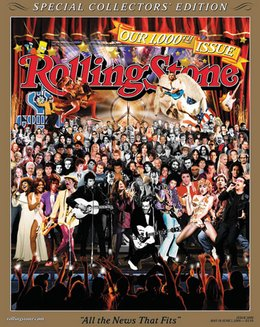
Rolling Stone, founded in 1967 by Jann Wenner and Ralph Gleason, has been a driving force in shaping music and politics for over five decades. With a vibe score of 85, it has been the go-to source for in-depth interviews, reviews, and investigative journalism, featuring iconic covers and interviews with influential figures like John Lennon, Bob Dylan, and Barack Obama. The magazine's influence flows can be seen in its ability to launch the careers of notable journalists like Hunter S. Thompson and Cameron Crowe. However, Rolling Stone has also faced controversy, including criticism for its handling of high-profile stories and its role in shaping public opinion. As the media landscape continues to evolve, Rolling Stone's ability to adapt and maintain its relevance will be crucial to its survival. With a topic intelligence quotient that spans key people, events, and ideas, Rolling Stone remains a cultural touchstone, continuing to provoke and inspire new generations of readers and artists.
📰 Introduction to Rolling Stone
Rolling Stone is a cultural icon that has been a major player in the media landscape for over five decades. Founded in 1967 by Jann Wenner and Ralph J. Gleason, the magazine has been a leading voice in music, politics, and popular culture. With its left-wing and liberal perspective, Rolling Stone has been a platform for progressive politics and social commentary. The magazine's influence extends beyond its print edition, with a strong online presence and a range of Rolling Stone-branded media properties. As a cultural institution, Rolling Stone has played a significant role in shaping the national conversation on issues like music industry trends and social justice.
📆 History of Rolling Stone
The history of Rolling Stone is a fascinating story that reflects the tumultuous times in which it was born. Founded in San Francisco, California, in 1967, the magazine was initially focused on covering the counterculture movement and the emerging rock music scene. Over the years, Rolling Stone has evolved to cover a wide range of topics, including politics, film, and popular culture. The magazine's early years were marked by a strong sense of idealism and a commitment to investigative journalism. As the magazine grew in influence, it became a platform for in-depth interviews with major figures in music, politics, and entertainment. Rolling Stone's history is closely tied to the careers of its founders, including Jann Wenner and Ralph J. Gleason.
🎸 Music Coverage in Rolling Stone
Music coverage has always been at the heart of Rolling Stone's editorial mission. The magazine has been a leading voice in music criticism and journalism, with a focus on rock music, pop music, and other genres. Rolling Stone's music coverage has included album reviews, concert reviews, and artist interviews. The magazine has also been a platform for emerging artists, with a long history of breaking new artists and showcasing up-and-coming talent. Rolling Stone's music coverage has been influential in shaping the national conversation on music, with a focus on music industry trends and music culture. As a cultural institution, Rolling Stone has played a significant role in promoting music education and music appreciation.
👥 Founders and Key Figures
The founders of Rolling Stone, Jann Wenner and Ralph J. Gleason, were instrumental in shaping the magazine's editorial mission and tone. Wenner, in particular, has been a dominant figure in the magazine's history, serving as its editor and publisher for many years. Other key figures in Rolling Stone's history include Hunter S. Thompson, who was a major contributor to the magazine in its early years, and Annie Leibovitz, who has been a longtime contributor to the magazine's photography section. As a cultural institution, Rolling Stone has been shaped by the contributions of many talented writers, editors, and photographers, including Tom Wolfe and Joan Didion.
📊 Impact and Influence of Rolling Stone
The impact and influence of Rolling Stone cannot be overstated. The magazine has been a major player in shaping the national conversation on music, politics, and popular culture. Rolling Stone's influence extends beyond its print edition, with a strong online presence and a range of Rolling Stone-branded media properties. The magazine has also been a platform for emerging artists, with a long history of breaking new artists and showcasing up-and-coming talent. As a cultural institution, Rolling Stone has played a significant role in promoting music education and music appreciation. The magazine's influence can be seen in many areas of popular culture, including film, television, and literature.
📈 Controversies and Criticisms
Despite its influence and impact, Rolling Stone has not been without controversy. The magazine has faced criticism for its liberal bias and its perceived elitism. Rolling Stone has also been criticized for its lack of diversity in its editorial staff and its coverage of certain topics. In recent years, the magazine has faced criticism for its handling of certain stories, including its University of Virginia rape story, which was later retracted. As a cultural institution, Rolling Stone has faced many challenges and controversies, including financial woes and ownership changes.
🔥 Cultural Significance of Rolling Stone
The cultural significance of Rolling Stone cannot be overstated. The magazine has been a major player in shaping the national conversation on music, politics, and popular culture. Rolling Stone's influence extends beyond its print edition, with a strong online presence and a range of Rolling Stone-branded media properties. The magazine has also been a platform for emerging artists, with a long history of breaking new artists and showcasing up-and-coming talent. As a cultural institution, Rolling Stone has played a significant role in promoting music education and music appreciation. The magazine's cultural significance can be seen in many areas of popular culture, including film, television, and literature.
📚 Notable Articles and Features
Rolling Stone has published many notable articles and features over the years, including Hunter S. Thompson's Fear and Loathing in Las Vegas and Tom Wolfe's The Electric Kool-Aid Acid Test. The magazine has also been a platform for major figures in politics and social justice, including Barack Obama and Bernie Sanders. Rolling Stone's coverage of music has included album reviews, concert reviews, and artist interviews. The magazine has also been a platform for emerging artists, with a long history of breaking new artists and showcasing up-and-coming talent.
👀 Awards and Recognition
Rolling Stone has won numerous awards and recognition for its editorial excellence, including National Magazine Awards and Pulitzer Prize nominations. The magazine has also been recognized for its design and photography, with numerous awards for its photography and design. As a cultural institution, Rolling Stone has played a significant role in shaping the national conversation on music, politics, and popular culture. The magazine's influence extends beyond its print edition, with a strong online presence and a range of Rolling Stone-branded media properties.
📊 Rolling Stone in the Digital Age
In recent years, Rolling Stone has expanded its reach and influence through its online presence and social media channels. The magazine has a strong following on Twitter, Facebook, and Instagram, and its website features a wide range of content, including news, reviews, and features. Rolling Stone has also launched a number of podcasts and video series, including its popular Rolling Stone Music Now podcast. As a cultural institution, Rolling Stone continues to evolve and adapt to changing times, with a focus on digital media and online engagement.
Key Facts
- Year
- 1967
- Origin
- San Francisco, California
- Category
- Media and Entertainment
- Type
- Magazine
Frequently Asked Questions
What is Rolling Stone magazine?
Rolling Stone is a monthly magazine that focuses on music, politics, and popular culture. It was founded in 1967 by Jann Wenner and Ralph J. Gleason and is known for its left-wing and liberal perspective. Rolling Stone has been a major player in shaping the national conversation on music, politics, and popular culture, with a strong online presence and a range of Rolling Stone-branded media properties. The magazine has won numerous awards for its editorial excellence, including National Magazine Awards and Pulitzer Prize nominations.
Who are the founders of Rolling Stone?
The founders of Rolling Stone are Jann Wenner and Ralph J. Gleason. Wenner and Gleason founded the magazine in 1967 and have been instrumental in shaping its editorial mission and tone. Wenner has been a dominant figure in the magazine's history, serving as its editor and publisher for many years. Gleason, on the other hand, was a music critic and journalist who played a key role in shaping the magazine's music coverage.
What kind of content does Rolling Stone publish?
Rolling Stone publishes a wide range of content, including music reviews, concert reviews, artist interviews, and features on politics and social issues. The magazine also publishes opinion pieces, commentary, and investigative reporting on major issues. Rolling Stone's coverage of music has included album reviews, concert reviews, and artist interviews, while its coverage of politics and social issues has included in-depth analysis and commentary.
Has Rolling Stone faced any controversies?
Yes, Rolling Stone has faced several controversies over the years. The magazine has been criticized for its liberal bias and perceived elitism, and has faced criticism for its handling of certain stories, including its University of Virginia rape story, which was later retracted. Rolling Stone has also faced financial woes and ownership changes, which have impacted its editorial direction and tone.
What is Rolling Stone's cultural significance?
Rolling Stone's cultural significance cannot be overstated. The magazine has been a major player in shaping the national conversation on music, politics, and popular culture, with a strong online presence and a range of Rolling Stone-branded media properties. Rolling Stone has played a significant role in promoting music education and music appreciation, and has been a platform for emerging artists and social justice movements. The magazine's influence can be seen in many areas of popular culture, including film, television, and literature.
How has Rolling Stone adapted to the digital age?
Rolling Stone has adapted to the digital age by expanding its online presence and social media channels. The magazine has a strong following on Twitter, Facebook, and Instagram, and its website features a wide range of content, including news, reviews, and features. Rolling Stone has also launched a number of podcasts and video series, including its popular Rolling Stone Music Now podcast. As a cultural institution, Rolling Stone continues to evolve and adapt to changing times, with a focus on digital media and online engagement.
What are some notable articles and features published by Rolling Stone?
Rolling Stone has published many notable articles and features over the years, including Hunter S. Thompson's Fear and Loathing in Las Vegas and Tom Wolfe's The Electric Kool-Aid Acid Test. The magazine has also been a platform for major figures in politics and social justice, including Barack Obama and Bernie Sanders. Rolling Stone's coverage of music has included album reviews, concert reviews, and artist interviews, while its coverage of politics and social issues has included in-depth analysis and commentary.