Drums: The Pulsing Heart of Music | Paid Directory
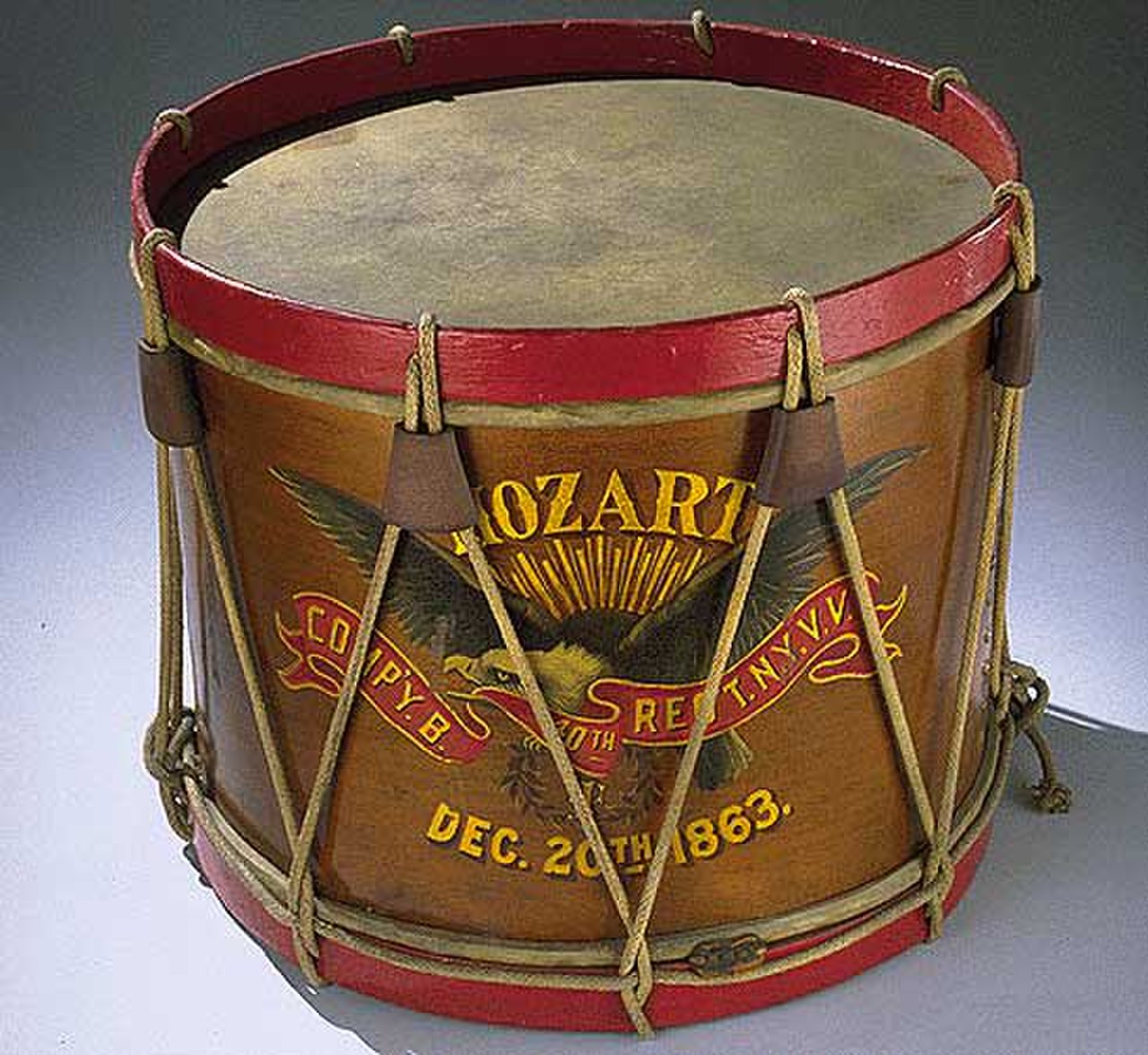
Drums have been the rhythmic backbone of music for thousands of years, with a history dating back to ancient civilizations in Mesopotamia, Egypt, and Greece…
Contents
- 🎸 Introduction to Drums
- 🔍 History of Drums
- 🎶 Types of Drums
- 👂 Drumming Techniques
- 🔊 Drumheads and Materials
- 🎧 Electronic Drums and Drum Machines
- 👥 Famous Drummers and Their Influence
- 🌎 Cultural Significance of Drums
- 🤔 Controversies and Debates in Drumming
- 📊 Drumming and Cognitive Development
- 👾 The Future of Drums and Percussion
- Frequently Asked Questions
- Related Topics
Overview
Drums have been the rhythmic backbone of music for thousands of years, with a history dating back to ancient civilizations in Mesopotamia, Egypt, and Greece. The earliest known drums were made from hollowed-out logs and animal hides, with the first recorded drumming dating back to around 3000 BCE. Today, drums are a staple in nearly every genre of music, from rock and pop to jazz and hip-hop, with iconic drummers like John Bonham, Ringo Starr, and Questlove leaving their mark on the industry. With the rise of electronic music, drums have evolved to include digital and hybrid setups, offering new possibilities for sound and expression. The cultural significance of drums extends beyond music, with drumming playing a key role in many traditional and spiritual practices around the world. As technology continues to advance, the future of drumming is likely to be shaped by innovations in materials, design, and digital integration, with the potential to create new and exciting sounds that will continue to captivate audiences worldwide.
🎸 Introduction to Drums
The drum is a fundamental element in music, and its significance cannot be overstated. As a [[membranophone|membranophone]] instrument, it has been a part of human culture for thousands of years, with evidence of ancient civilizations using drums for [[communication|communication]], [[rituals|rituals]], and [[entertainment|entertainment]]. The basic design of the drum has remained relatively unchanged, consisting of a [[drumhead|drumhead]] or [[drum-skin|drum skin]] stretched over a shell, which is struck to produce sound. This simplicity has allowed drums to be used in a wide range of musical genres, from [[rock-music|rock music]] to [[jazz|jazz]] and [[classical-music|classical music]]. According to the [[hornbostel-sachs-classification-system|Hornbostel-Sachs classification system]], drums are classified as a type of [[percussion-instrument|percussion instrument]].
🔍 History of Drums
The history of drums dates back to ancient times, with evidence of drumming found in [[ancient-civilizations|ancient civilizations]] such as [[egypt|Egypt]], [[greece|Greece]], and [[rome|Roman Empire]]. Drums were used for various purposes, including [[warfare|warfare]], [[rituals|rituals]], and [[ceremonies|ceremonies]]. The development of drums has been influenced by various cultures, including [[african-music|African music]] and [[latin-american-music|Latin American music]]. The [[history-of-drums|history of drums]] is a rich and complex one, with different regions and cultures contributing to the evolution of drumming. For example, the [[djembe|djembe]] is a type of drum that originated in [[west-africa|West Africa]].
🎶 Types of Drums
There are many types of drums, each with its unique characteristics and playing styles. The [[acoustic-drum|acoustic drum]] is the most common type, consisting of a drumhead stretched over a shell. Other types of drums include the [[electronic-drum|electronic drum]], [[conga|conga]], and [[bongo|bongo]]. Each type of drum has its own distinct sound and is used in different musical genres. For example, the [[snare-drum|snare drum]] is commonly used in [[rock-music|rock music]] and [[pop-music|pop music]], while the [[timpani|timpani]] is used in [[classical-music|classical music]]. The [[drum-set|drum set]] is a collection of drums and [[cymbals|cymbals]] that are used together to create a wide range of sounds.
👂 Drumming Techniques
Drumming techniques vary depending on the type of drum and the musical genre. The [[thumb-roll|thumb roll]] is a technique used to produce a rolling sound on the drum, while the [[heel-toe-technique|heel-toe technique]] is used to produce a smooth, even sound. Other techniques include the [[moeller-method|Moeller method]] and the [[gladstone-method|Gladstone method]]. Drummers use a variety of [[drum-sticks|drum sticks]] and [[mallets|mallets]] to produce different sounds and effects. For example, the [[drum-brush|drum brush]] is used to produce a soft, sweeping sound, while the [[drum-mallet|drum mallet]] is used to produce a loud, resonant sound. The [[rudiments-of-drumming|rudiments of drumming]] are the basic building blocks of drumming technique.
🔊 Drumheads and Materials
The drumhead is a critical component of the drum, and its material and construction can greatly affect the sound produced. [[animal-hides|Animal hides]] have been used for centuries to make drumheads, but modern drums often use synthetic materials such as [[mylar|Mylar]] or [[kevlar|Kevlar]]. The [[drumhead-tension|drumhead tension]] is also important, as it can affect the pitch and tone of the drum. Drummers use a variety of [[drum-tuners|drum tuners]] and [[drum-keys|drum keys]] to adjust the tension and pitch of the drum. The [[drum-shell|drum shell]] is also an important component of the drum, and its material and construction can affect the sound produced.
🎧 Electronic Drums and Drum Machines
Electronic drums and drum machines have become increasingly popular in recent years, offering a wide range of sounds and effects. The [[electronic-drum|electronic drum]] is a type of drum that uses electronic sensors and [[sound-modules|sound modules]] to produce sound. The [[drum-machine|drum machine]] is a type of electronic instrument that can be programmed to produce a wide range of drum patterns and sounds. Electronic drums and drum machines have been used in a variety of musical genres, including [[electronic-music|electronic music]] and [[hip-hop|hip-hop]]. The [[roland-tr-808|Roland TR-808]] is a classic example of a drum machine that has been widely used in music production.
👥 Famous Drummers and Their Influence
Famous drummers have had a significant impact on the development of drumming and music. [[john-bonham|John Bonham]] of [[led-zeppelin|Led Zeppelin]] is known for his powerful and dynamic drumming style, while [[ringo-starr|Ringo Starr]] of [[the-beatles|The Beatles]] is known for his distinctive and charismatic stage presence. Other famous drummers include [[neil-peart|Neil Peart]] of [[rush|Rush]] and [[dave-grohl|Dave Grohl]] of [[foo-fighters|Foo Fighters]]. These drummers have inspired countless others to take up the instrument and have helped to shape the sound of popular music. The [[drummer|drummer]] is a crucial component of any band or musical ensemble.
🌎 Cultural Significance of Drums
Drums have played a significant role in many cultures around the world, and their cultural significance extends far beyond their use in music. In some cultures, drums are used in [[rituals|rituals]] and [[ceremonies|ceremonies]], while in others they are used for [[communication|communication]] and [[storytelling|storytelling]]. The [[cultural-significance-of-drums|cultural significance of drums]] is a complex and multifaceted topic, and it continues to be an important area of study and research. For example, the [[talking-drum|talking drum]] is a type of drum that is used in [[west-africa|West Africa]] to convey messages and tell stories.
🤔 Controversies and Debates in Drumming
Despite their importance, drums have also been the subject of controversy and debate. Some people have criticized the use of drums in certain musical genres, such as [[heavy-metal|heavy metal]] and [[punk-rock|punk rock]], for being too loud and aggressive. Others have argued that drums are a vital part of these genres and that they play a crucial role in expressing the emotions and energy of the music. The [[controversy-over-drums|controversy over drums]] is a complex and ongoing issue, and it reflects the diverse and often conflicting opinions that people have about music and drumming.
📊 Drumming and Cognitive Development
Research has shown that drumming can have a positive impact on cognitive development, particularly in children. The [[cognitive-benefits-of-drumming|cognitive benefits of drumming]] include improved [[memory|memory]], [[concentration|concentration]], and [[coordination|coordination]]. Drumming has also been shown to have a positive impact on [[mental-health|mental health]], reducing [[stress|stress]] and [[anxiety|anxiety]] and promoting [[relaxation|relaxation]] and [[well-being|well-being]]. The [[drum-therapy|drum therapy]] is a type of therapy that uses drumming as a form of treatment for a variety of conditions, including [[addiction|addiction]] and [[trauma|trauma]].
👾 The Future of Drums and Percussion
As technology continues to evolve, it is likely that drums will continue to play an important role in music and culture. The [[future-of-drums|future of drums]] is likely to involve the development of new and innovative drumming technologies, such as [[electronic-drums|electronic drums]] and [[drum-machines|drum machines]]. The [[drumming-community|drumming community]] is a vibrant and diverse group of people who are passionate about drumming and music. The [[drum-industry|drum industry]] is a significant sector of the music industry, with a wide range of companies and organizations involved in the manufacture and distribution of drums and drumming equipment.
Key Facts
- Year
- 3000
- Origin
- Ancient Mesopotamia
- Category
- Music
- Type
- Instrument
Frequently Asked Questions
What is the history of drums?
The history of drums dates back to ancient times, with evidence of drumming found in ancient civilizations such as Egypt, Greece, and Rome. Drums were used for various purposes, including warfare, rituals, and ceremonies. The development of drums has been influenced by various cultures, including African music and Latin American music.
What are the different types of drums?
There are many types of drums, each with its unique characteristics and playing styles. The acoustic drum is the most common type, consisting of a drumhead stretched over a shell. Other types of drums include the electronic drum, conga, and bongo. Each type of drum has its own distinct sound and is used in different musical genres.
What are the benefits of drumming?
Drumming has been shown to have a positive impact on cognitive development, particularly in children. The cognitive benefits of drumming include improved memory, concentration, and coordination. Drumming has also been shown to have a positive impact on mental health, reducing stress and anxiety and promoting relaxation and well-being.
What is the cultural significance of drums?
Drums have played a significant role in many cultures around the world, and their cultural significance extends far beyond their use in music. In some cultures, drums are used in rituals and ceremonies, while in others they are used for communication and storytelling. The cultural significance of drums is a complex and multifaceted topic, and it continues to be an important area of study and research.
What is the future of drums?
As technology continues to evolve, it is likely that drums will continue to play an important role in music and culture. The future of drums is likely to involve the development of new and innovative drumming technologies, such as electronic drums and drum machines. The drumming community is a vibrant and diverse group of people who are passionate about drumming and music.
What are the different drumming techniques?
Drumming techniques vary depending on the type of drum and the musical genre. The thumb roll is a technique used to produce a rolling sound on the drum, while the heel-toe technique is used to produce a smooth, even sound. Other techniques include the Moeller method and the Gladstone method. Drummers use a variety of drum sticks and mallets to produce different sounds and effects.
What is the role of the drummer in a band?
The drummer is a crucial component of any band or musical ensemble. The drummer provides the rhythmic foundation for the music, and is responsible for keeping the beat and maintaining the tempo. The drummer also plays a key role in creating the overall sound and feel of the music, and is often responsible for adding dynamic and expressive elements to the performance.